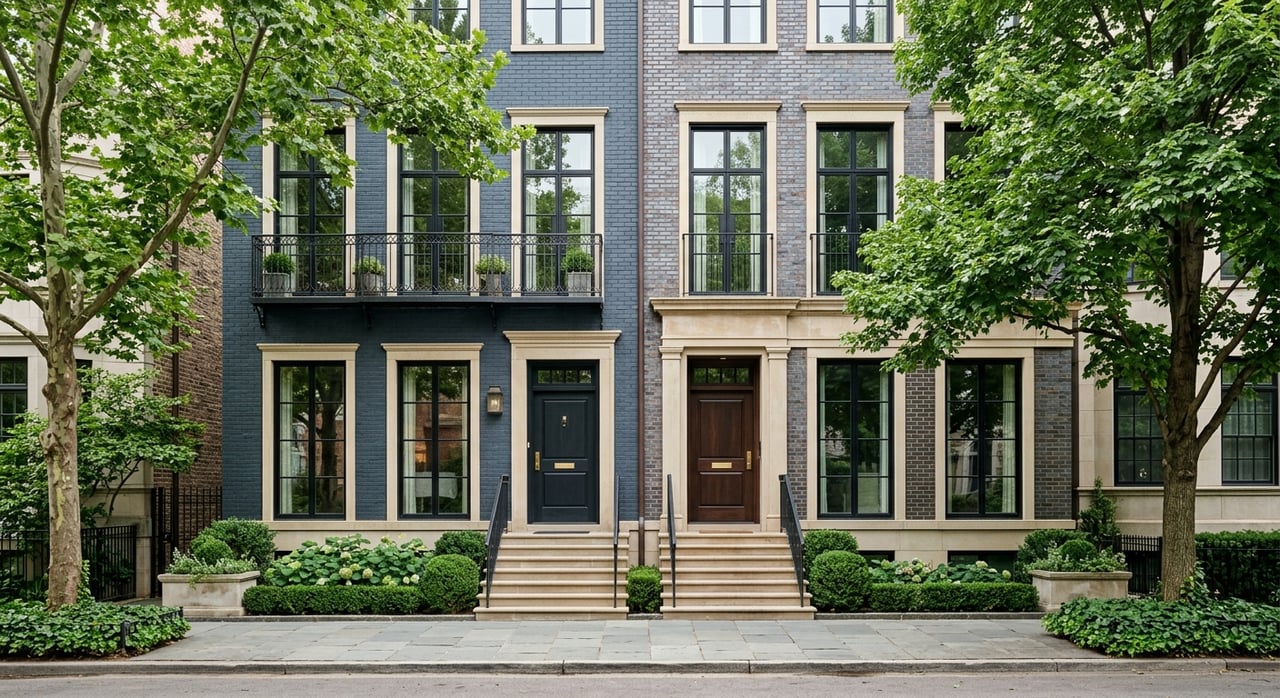
If you want a Houston neighborhood with real personality, Montrose usually comes up fast. It offers an urban location, a creative identity, and a daily rhythm that can feel both lively and surprisingly grounded. If you are wondering what it is actually like to live there, this guide will walk you through the streetscape, housing, parks, culture, and day-to-day pace so you can picture life in Montrose more clearly. Let’s dive in.
Montrose at a Glance
Montrose is a close-in Houston neighborhood west of downtown in the City of Houston’s Neartown/Montrose Super Neighborhood #24. The City roughly places it between Highway 59 to the south, Allen Parkway to the north, Taft, Bagby, and Main to the east, and South Shepherd Drive to the west.
What stands out first is location. You are near Houston’s urban core, but Montrose does not feel like a one-note business district or a purely residential pocket. It blends historic streets, cultural landmarks, restaurants, nightlife, and everyday conveniences into one connected area.
Daily Life Feels Layered
Living in Montrose often means your routine can stay local without feeling small. You might start your day at a café, spend part of the afternoon in a green space or gallery, then head out to dinner or live music in the evening.
The neighborhood is widely known for its creative and eclectic character. The City of Houston describes Neartown and Montrose as one of the city’s most eclectic communities, with a bohemian atmosphere, artistic energy, and a mix of older homes, contemporary homes, and multifamily buildings.
That mix shapes the day-to-day feel. Some blocks are quiet and residential, while others are more active with shops, restaurants, and nightlife close by. In practical terms, you get a neighborhood that can change tone quickly, often within a short walk.
Walkability and Street Pattern
One reason Montrose feels different from many other Houston neighborhoods is its street layout. According to the Menil history page, the neighborhood was established in 1911 with landscaped boulevards and streetcars, and that early planning still influences how the area functions today.
That history helps explain why Montrose often feels more pedestrian-friendly than many parts of the city. The Menil’s neighborhood materials describe it as one of Houston’s most walkable neighborhoods, and that lines up with how many people experience it: short trips between coffee shops, restaurants, galleries, and parks can feel natural here.
This does not mean every errand is best done on foot. It does mean that street life tends to feel more connected, with more reasons to be out in the neighborhood instead of simply driving in and out.
Art and Culture Are Part of Everyday Life
Montrose is one of those neighborhoods where culture is not tucked away from daily life. It is built into the area’s identity, and you feel that in the galleries, murals, and institutions that shape the neighborhood.
Two of the most recognizable anchors are The Menil Collection and Rothko Chapel. The Menil is a free public art museum set on a residential campus of buildings and green spaces, while Rothko Chapel is known as a contemplative place for reflection and quiet time.
That combination matters if you are thinking about quality of life. In Montrose, access to art is not only about special events. It can become part of your normal week, whether that means an afternoon museum visit, a quiet walk through the campus, or meeting friends nearby.
Food, Coffee, and Nightlife
For many people, Montrose stands out because there is almost always something to do. Visit Houston highlights local cafés, thrift shopping along Westheimer Road, art galleries, craft cocktails, global dining, and lively nightlife, all of which help define the neighborhood’s rhythm.
If you like variety, that is a major draw. The area is known for distinctive eateries and eclectic businesses, so your options can feel broader than in a more uniform neighborhood.
At the same time, Montrose is not only about going out late. Coffee shops, casual dining, and daytime retail all play a big role in how the neighborhood feels from morning through evening. That all-day energy is part of why many residents find the area engaging instead of seasonal or event-driven.
Housing Has Real Variety
Montrose is not a neighborhood with one dominant housing style. In fact, one of its defining traits is contrast.
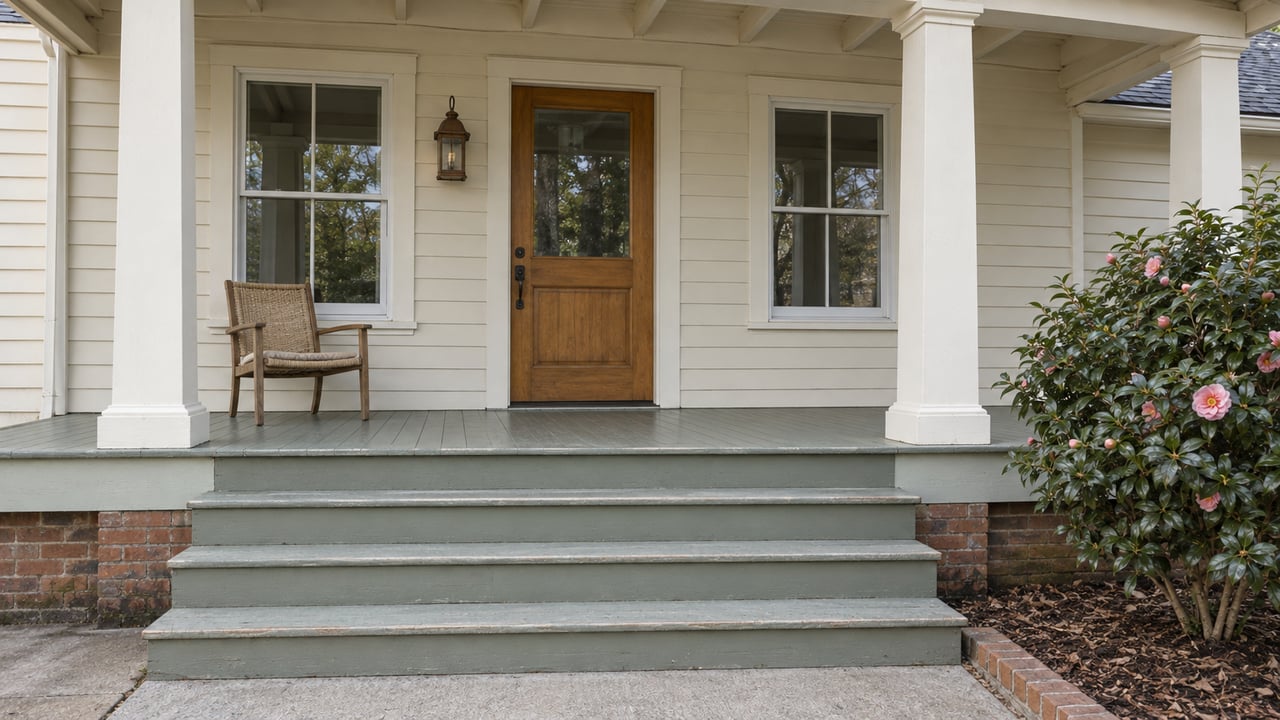
Historic preservation resources from the City show homes in styles such as Craftsman, Colonial Revival, Prairie, Tudor Revival, American Four Square, Queen Anne, and late Victorian. The Menil history page also notes bungalow-era houses, four-square homes, and early apartment buildings.
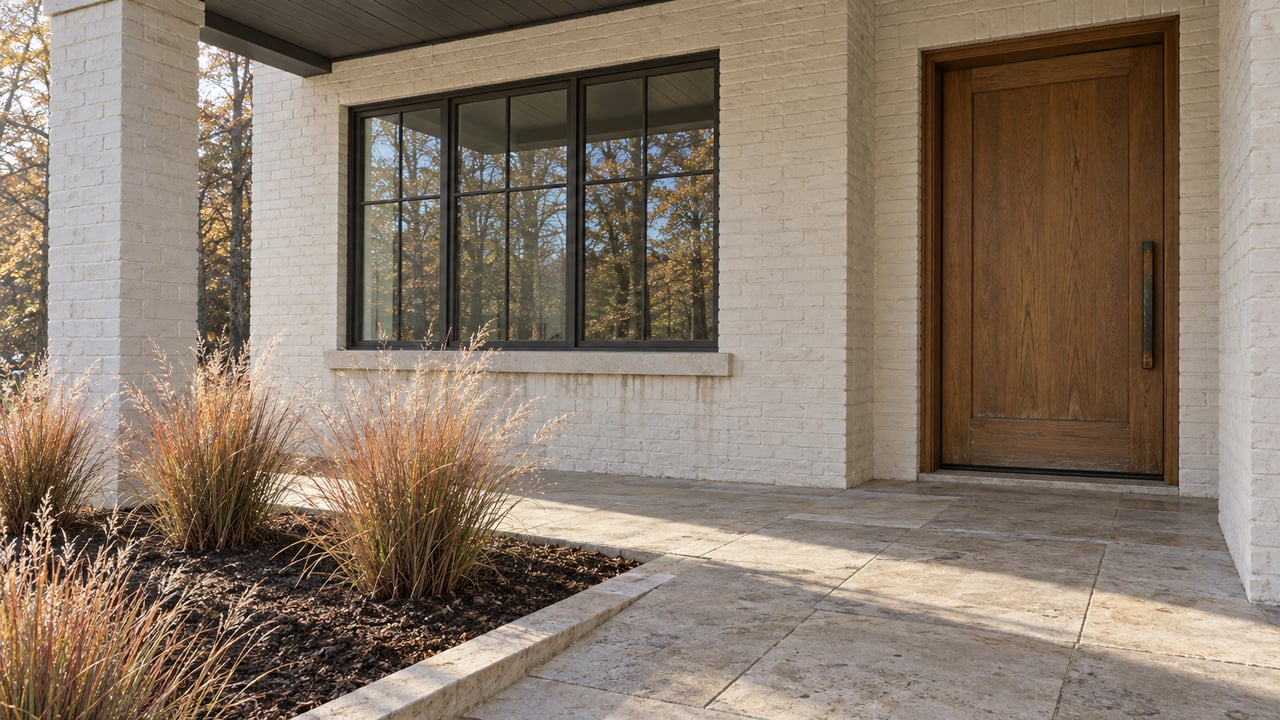
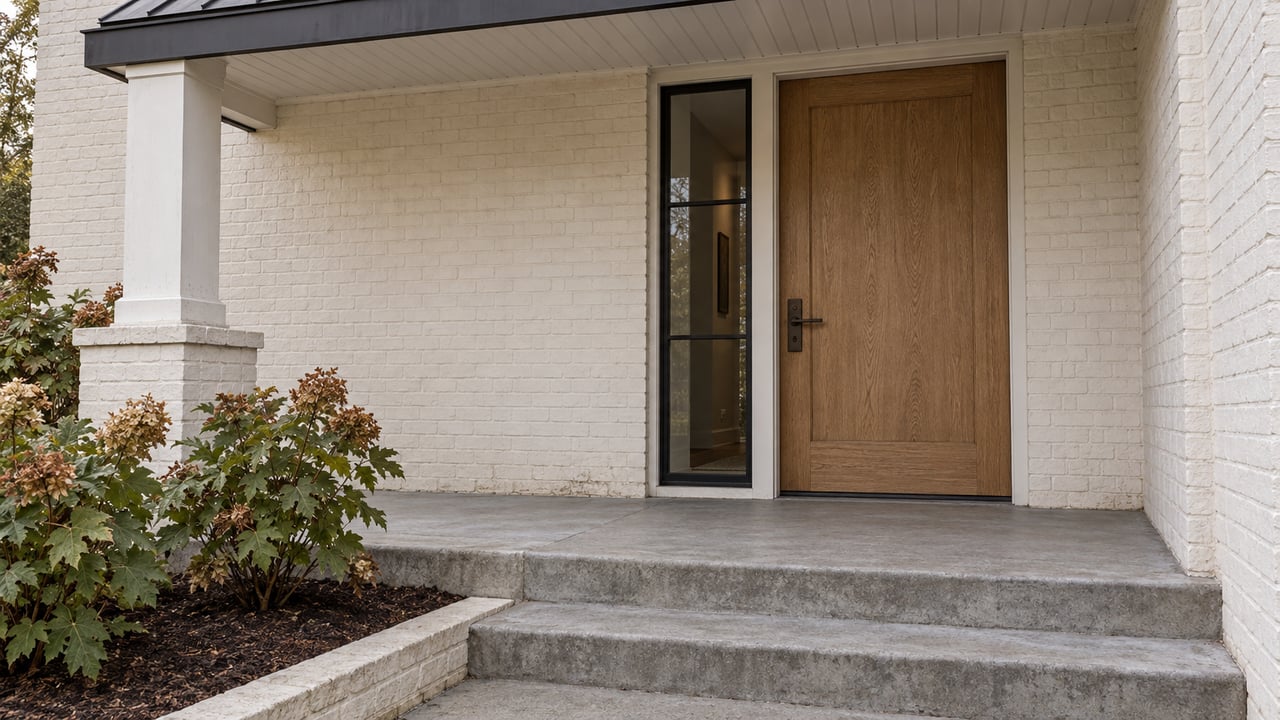
Alongside those older homes, the City says some properties have been replaced by contemporary homes, townhomes, condos, and apartments. That means you can move from a block with vintage single-family houses to a stretch with newer infill development in just a few minutes.
For buyers and renters, this creates more choice in housing type and architectural character. For sellers, it also means pricing and positioning need to reflect the specific block, product type, and condition of the home rather than broad neighborhood assumptions.
Historic Character Meets Modern Infill
Part of Montrose’s appeal is that it does not feel frozen in time. It has visible history, but it also continues to evolve.
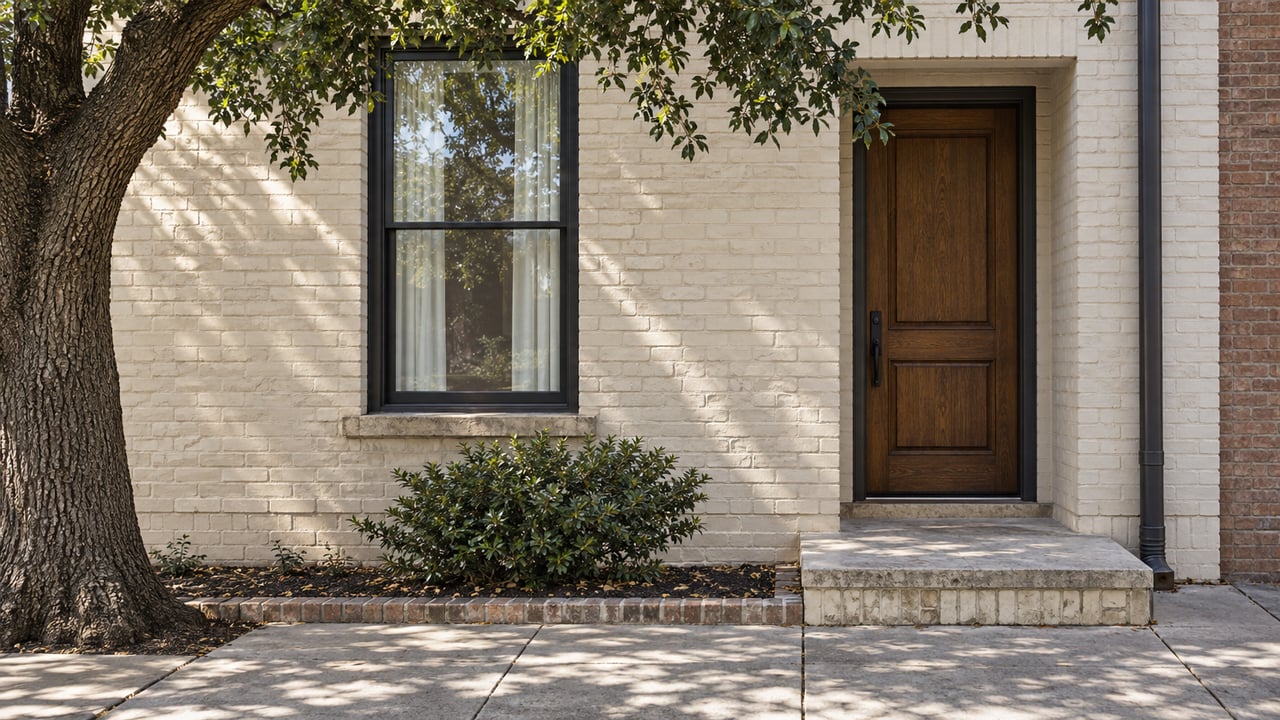
The City notes that greater Montrose includes six city-designated historic districts. That historic presence gives many streets a sense of continuity, with older homes, mature trees, and a more established visual pattern.
At the same time, newer townhomes, condos, and contemporary single-family homes add a more current layer to the neighborhood. If you are design-conscious, this old-and-new mix can be a real strength because it offers both architectural interest and newer housing options close to central Houston.
Parks and Outdoor Space
Montrose offers access to both major parkland and smaller neighborhood green spaces. That balance helps daily life feel more flexible, especially if you want outdoor options without leaving the urban core.
Buffalo Bayou Park is one of the biggest nearby assets. It spans 160 acres and includes hike-and-bike trails, gardens, public art, picnic areas, and a dog park.
The City’s Super Neighborhood page also lists Lamar Park, Live Oak Park, Mandell Park, Shiffick Park, West Gray Adaptive Recreation Center, and Westheimer Greenspace. These smaller spaces may not define the neighborhood on their own, but together they give residents more places to walk, pause, exercise, or spend time outside.
Getting Around Houston From Montrose
Montrose is well placed for people who want easier access to other key parts of Houston. Its central location is one of the neighborhood’s clearest lifestyle advantages.
METRO service supports that connectivity. The 82 Westheimer route runs from near downtown through Montrose, Greenway Plaza, the Galleria, Westchase, and West Oaks Mall, while the 25 Richmond route serves Montrose, Greenway Plaza, and Uptown and the Galleria area.
The 56 Airline/Montrose project is designed to benefit commuters traveling between Greenspoint Transit Center and the Texas Medical Center. The Menil visitor page also notes nearby METRO bus stops on Richmond Avenue and Montrose Boulevard.
For day-to-day living, that means Montrose can work well if you want to stay connected to downtown, Greenway Plaza, Uptown, and the Medical Center area. Even when you leave the neighborhood, you are not starting from an isolated edge-of-town location.
Who Montrose Often Appeals To
Montrose can be a strong fit if you want a neighborhood with a distinct identity and a more urban pattern of living. People often gravitate here for the mix of culture, convenience, and housing variety.
You may appreciate Montrose if you value being close to restaurants, coffee shops, galleries, and parks in your regular routine. You may also like it if you are drawn to architecture with range, from historic homes to modern townhomes and condos.
Because the neighborhood shifts from block to block, the best way to evaluate it is usually at the street level. One part of Montrose may feel quieter and more residential, while another may feel more active and entertainment-focused.
What to Keep in Mind
Montrose is appealing partly because it is layered, but that also means you should expect variety instead of uniformity. Street character, home style, and activity level can change quickly across the neighborhood.
That is why local guidance matters here. If you are buying, renting, or preparing to sell in Montrose, details like block location, property type, and access to nearby amenities can shape value and day-to-day experience in a meaningful way.
If you are considering a move to Montrose, it helps to approach the neighborhood with a clear sense of your lifestyle priorities. The right fit often comes down to whether you want historic character, newer construction, a quieter residential pocket, or closer proximity to the area’s dining and cultural scene.
Montrose remains one of Houston’s most recognizable close-in neighborhoods for good reason. It offers a creative identity, a layered street life, and strong access to the city around it, all while giving you a mix of homes and experiences that is hard to replicate elsewhere.
If you are thinking about buying, selling, or leasing in Montrose, Bryan Beene can help you evaluate the neighborhood with a clear strategy and local perspective.
FAQs
What is Montrose like for daily life in Houston?
- Montrose typically offers a mix of coffee shops, restaurants, galleries, parks, nightlife, and residential streets, creating a daily routine that can feel both urban and neighborhood-focused.
What types of homes are in Montrose?
- Montrose includes a wide range of housing, including historic homes, bungalow-era properties, four-square houses, early apartment buildings, newer townhomes, condos, apartments, and contemporary single-family homes.
Is Montrose a walkable Houston neighborhood?
- Montrose is often described as one of Houston’s more walkable neighborhoods because many destinations are close together and the area’s early street planning supports a more connected street pattern.
What parks are near Montrose?
- Residents have access to Buffalo Bayou Park as well as smaller neighborhood spaces such as Lamar Park, Live Oak Park, Mandell Park, Shiffick Park, West Gray Adaptive Recreation Center, and Westheimer Greenspace.
How does Montrose connect to other parts of Houston?
- Montrose has a central location and is served by METRO routes including the 82 Westheimer and 25 Richmond, which help connect the neighborhood to downtown, Greenway Plaza, Uptown and the Galleria area, and other major destinations.
Who tends to like living in Montrose?
- Montrose often appeals to people who want close-in Houston living with cultural amenities, varied housing options, historic character, and easy access to dining, art, and entertainment.