Wondering whether River Oaks is the right fit for your next move? If you are considering one of Houston’s most recognized neighborhoods, you are likely weighing more than just price. You want to understand how River Oaks feels, how the market behaves, and what details matter before you buy. Let’s dive in.
What sets River Oaks apart
River Oaks is one of Houston’s best-known residential neighborhoods, and that identity goes back to its original planning in the 1920s. The community was designed as a planned neighborhood on roughly 1,100 acres along the south bank of Buffalo Bayou, with homesites, shopping centers, esplanades, underground utilities, and building controls meant to preserve the area’s natural setting.
That planning legacy still shapes the neighborhood today. River Oaks is known for mature trees, landscaped streets, and a more consistent visual character than many other parts of Houston. If you value neighborhood continuity and a polished streetscape, that is a meaningful part of the appeal.
It is also important to know that “River Oaks” does not always mean the same thing in every data set. Some sources focus on the historic residential core, while broader area definitions can include places like Greenway Plaza and Upper Kirby. When you compare listings or market reports, the exact boundaries can change the numbers.
River Oaks homes and price ranges
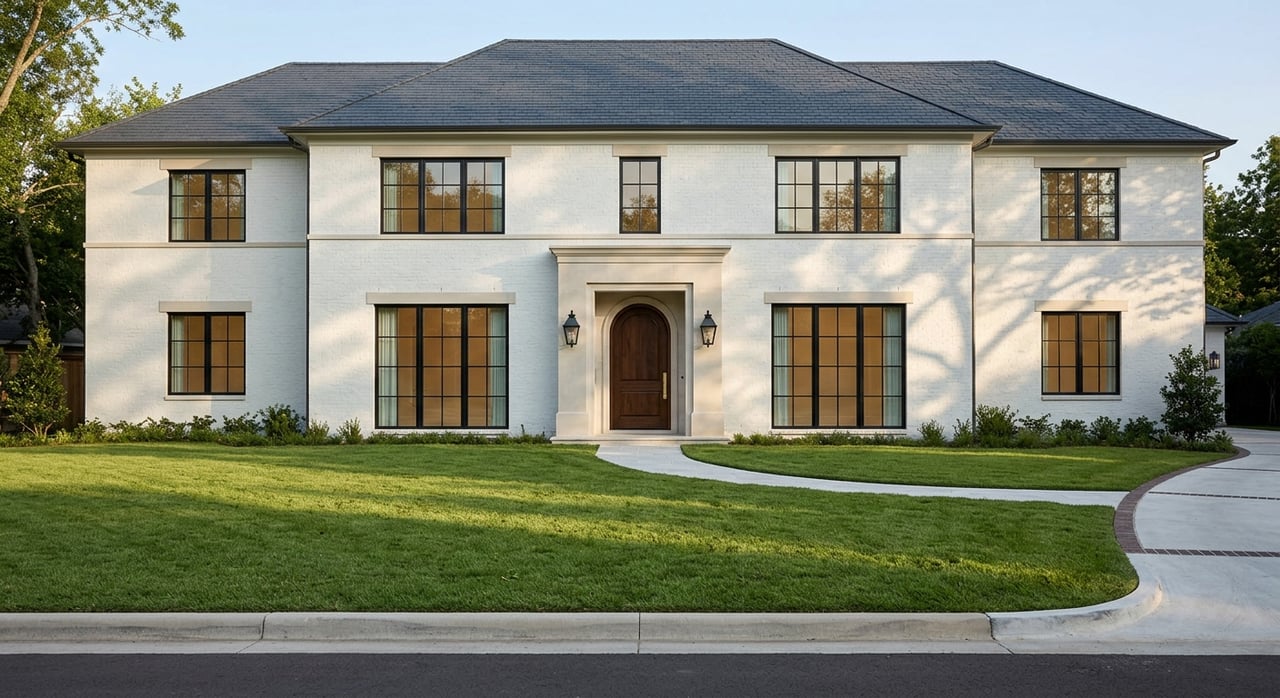
Most of core River Oaks is made up of detached single-family homes. That said, broader River Oaks search results can sometimes include attached homes or condominiums near the edges. For that reason, it helps to evaluate each listing by property type, lot, age, renovation level, and exact location instead of assuming every River Oaks address offers the same experience.
Recent sales show just how wide the range can be. Closed transactions have included an attached unit around $1.1 million, single-family homes around $2.5 million and $3.6 million, and larger estate-scale properties near $5 million. In other words, River Oaks is not a one-price neighborhood.
As of spring 2026, River Oaks posted a median sale price of $2,174,269 over the prior three months, with a median of 25 days on market and a 96.6% sale-to-list ratio. Another neighborhood overview showed a median listing price of $2,585,000, 40 median days on market, and 108 homes for sale. Together, those numbers point to a market that is active but still rewards careful pricing and realistic expectations.
How River Oaks compares nearby
If you are choosing between close-in luxury neighborhoods, River Oaks sits at the premium end of the Inner Loop. Nearby West University Place has a similar high-end profile, while Tanglewood also competes in the luxury space. Afton Oaks and Boulevard Oaks typically offer lower entry points while still keeping you close to central Houston.
Here is the practical takeaway: River Oaks tends to appeal to buyers who want a more established, governance-heavy neighborhood with long-standing prestige and mature landscaping. If your priority is maximum square footage for the money, you may find stronger value elsewhere. If your priority is a highly recognized inner-loop address with a strong sense of continuity, River Oaks often stands out.
Everyday lifestyle in River Oaks
Buying in River Oaks is also about convenience and daily experience. The neighborhood benefits from access to both historic and luxury retail destinations. River Oaks Shopping Center, near West Gray and Shepherd, adds everyday convenience close to Downtown, while River Oaks District offers a broader mix of luxury shopping, dining, and lifestyle options in the Uptown/Galleria area.
The neighborhood also has a strong cultural and visual identity. Bayou Bend Gardens sits on 14 acres in the historic River Oaks neighborhood, and local parks, esplanades, and green spaces add to the area’s established feel. The annual Azalea Trail further reflects the neighborhood’s long-standing attention to landscaping and residential presentation.
For many buyers, River Oaks works especially well as an inner-loop home base. The area offers practical access to major employment centers such as Downtown, the Texas Medical Center, and Greenway Plaza. If you are relocating to Houston, that central location can make day-to-day logistics easier than some outer-belt luxury alternatives.
What buyers should know about schools
Schools are an important consideration for many buyers, especially in this price range. River Oaks Elementary’s official Houston ISD site describes the school as A-rated with five distinctions. Neighborhood school references can be helpful as you narrow your search, but boundaries should always be verified by address.
That last point matters. A nearby address does not automatically guarantee the same school assignment, and service boundaries are for reference only. If school zoning is a major factor in your decision, verify it early in the process.
Deed restrictions matter here
One of the biggest practical differences in River Oaks is the role of deed restrictions. Properties in the neighborhood are governed by deed-restriction documents, and exterior changes can require architectural review. That can support a more consistent neighborhood appearance, but it also means buyers should understand those rules before planning updates.
This is especially important if you are design-conscious or considering a renovation. Features like additions, exterior modifications, or other visible changes may face more scrutiny here than in many Houston neighborhoods. A home may fit your style today, but you should also think about what flexibility you may want later.
Flood risk should be reviewed by address
Flood risk is another key diligence point in River Oaks. Current climate modeling labels River Oaks as a moderate flood-risk area, with 42% of properties at risk of severe flooding over 30 years. Nearby Afton Oaks shows a different risk profile in the same broader luxury corridor, which is a good reminder that conditions can vary significantly block by block.
The lesson is simple: do not assume risk is the same across the neighborhood. If you are serious about a property, verify flood status by address and review that information as part of your decision-making. In a market like River Oaks, detailed diligence matters.
Who River Oaks fits best
River Oaks often makes the most sense for buyers who care deeply about central location, established character, mature landscaping, and a neighborhood with strong continuity. It can be a strong match if you want an address with long-term appeal rooted in scarce land, historic planning, and active neighborhood governance.
It may be less ideal if your main goal is the lowest price per square foot or a lighter level of neighborhood oversight. Some buyers love the controlled feel and preservation mindset. Others prefer more flexibility.
That is why clear priorities matter before you start touring. River Oaks is at its best for buyers who value the full package, not just the house itself.
How to shop River Oaks wisely
If you are considering River Oaks, a focused buying strategy can help you avoid expensive mistakes.
Compare micro-locations carefully
Not every River Oaks listing offers the same setting or market position. Pay attention to whether a home is in the historic core, near an edge condition, or grouped with broader area inventory that may not feel the same in person.
Look beyond headline price
A lower asking price does not always mean better value. In River Oaks, lot size, renovation quality, layout, and long-term usability can have a major impact on both enjoyment and resale potential.
Review restrictions early
If you may want to remodel, expand, or change exterior elements, review deed restrictions and architectural review requirements before you get too far along. It is easier to understand the rules upfront than to discover limitations later.
Verify flood details by property
Flood risk should be checked at the address level. This is not a box to skip in River Oaks or in any close-in Houston search.
Keep timing in perspective
River Oaks is active, but it is not always instant. With median market times ranging from 25 to 40 days in recent reports, buyers should stay ready while also remaining disciplined on pricing and fit.
River Oaks can be a remarkable place to own a home, but it rewards buyers who approach the neighborhood with a clear strategy. If you want thoughtful guidance on River Oaks, nearby luxury alternatives, or how to evaluate long-term fit, Bryan Beene can help you navigate the process with local insight and a steady hand.
FAQs
What is the River Oaks area in Houston?
- River Oaks is a historic planned residential neighborhood in Houston that began in the 1920s and is known for detached homes, mature landscaping, deed restrictions, and a strong inner-loop location.
What is the typical home price in River Oaks?
- Recent River Oaks market data showed a median sale price of $2,174,269, but actual prices can range from around $1.1 million for some attached homes to roughly $5 million for larger estate properties.
What types of homes are common in River Oaks?
- Core River Oaks is primarily a detached single-family neighborhood, though broader search areas may also include some attached or condominium properties near the edges.
What should buyers know about River Oaks deed restrictions?
- River Oaks properties are governed by deed restrictions, and exterior changes can require architectural review, so buyers should understand those requirements before planning updates.
What should buyers know about flood risk in River Oaks?
- River Oaks is currently labeled a moderate flood-risk area in climate modeling, and flood exposure can vary by block, so buyers should verify flood status for each specific property.
Is River Oaks convenient for commuting in Houston?
- River Oaks offers strong access to inner-loop employment centers such as Downtown, the Texas Medical Center, and Greenway Plaza, which can make it attractive for buyers who want a central base.
How does River Oaks compare with nearby luxury neighborhoods?
- River Oaks typically sits at the premium end of the Inner Loop, while West University Place and Tanglewood are close high-end peers and Afton Oaks or Boulevard Oaks may offer more attainable entry points.