Looking for a Houston neighborhood that blends historic character, local business corridors, and easy access to the urban core? Houston Heights stands out because it offers more than one kind of lifestyle. Whether you are buying your first home in the area, relocating within Houston, or planning a move from out of town, this overview will help you understand what the Heights feels like block by block and what to expect from its housing, walkability, and daily routine. Let’s dive in.
What Houston Heights Is Known For
Houston Heights is one of Houston’s oldest planned communities. The neighborhood was founded in 1891, and City of Houston historic materials describe it as Houston’s first master-planned community.
From the start, the area was designed with a mix of residential, retail, and industrial uses so people could live, work, and shop in the same community. That original pattern still shapes the neighborhood today, which is part of why the Heights feels both established and active.
If you are comparing Inner Loop neighborhoods, the Heights often appeals to buyers who want historic charm, front porches, mature streetscapes, nearby parks, and local retail without giving up access to downtown and other close-in destinations.
Houston Heights Homes
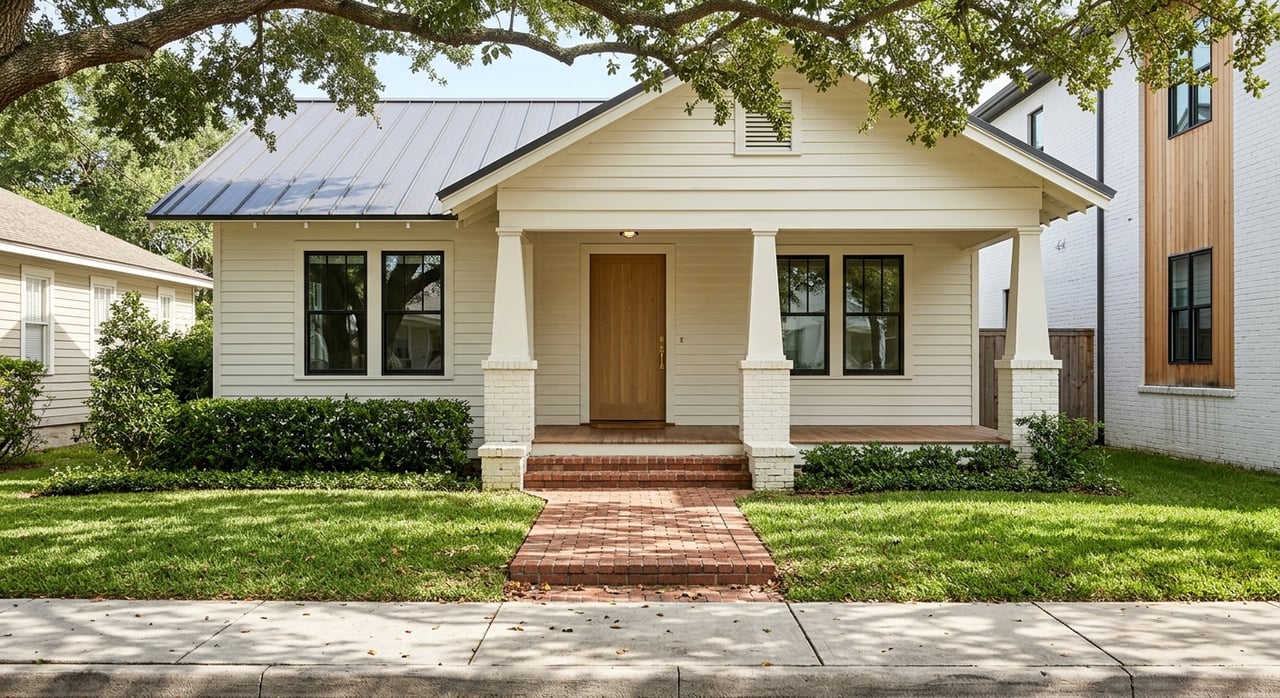
One of the biggest misconceptions about Houston Heights is that every home is historic. In reality, the housing stock is varied, and that variety is part of the neighborhood’s appeal.
According to City of Houston guidance, the area includes historic homes, rehabbed bungalows, newer condominiums, and modern infill on vacant lots that often use traditional details to fit the surrounding streets. That means your options can change a lot from one block to the next.
Historic Home Styles
In the historic district, most homes are one- or two-story single-family residences. Common architectural styles include Queen Anne, Craftsman, Folk National, and Folk Victorian.
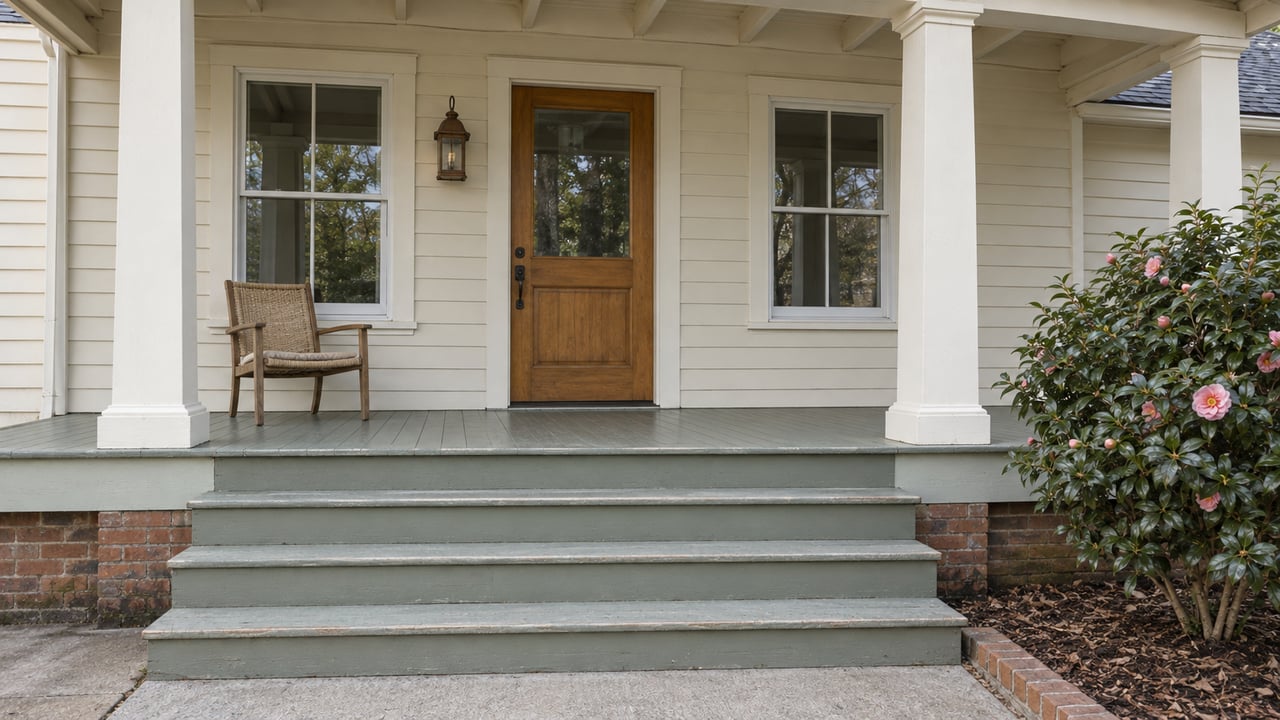
The City notes that these homes often feature large windows, porches, decorated gables, and pier-and-beam foundations. For buyers who value original character, these details are a major part of the Heights experience.
Different Blocks, Different Feel
Not every part of the Heights developed at the same time. The eastern portion of Greater Heights was largely developed in the 1920s and 1930s, while the western portion was generally developed later, from the 1930s into the 1950s.
That history helps explain why the neighborhood does not feel uniform. Some streets lean more historic, while others include a stronger mix of updated homes, later construction, condos, or newer builds.
Larger Homes on Key Corridors
City historic materials note that homes on Heights Boulevard and the parallel Yale and Harvard corridors were generally larger than homes on many other residential streets. If lot size, presence, or architectural scale matters to you, these corridors may stand out during your search.
Lifestyle in Houston Heights
The Heights lifestyle is one of its biggest draws. Many buyers are not just choosing a home here. They are choosing a rhythm of life that includes neighborhood strolls, nearby coffee shops, park access, and a stronger connection to local business corridors.
That said, the Heights is not a single walk-everywhere district. Some pockets feel highly walkable, while others feel more purely residential.
Walkable Retail Corridors
The most recognizable commercial spine in the neighborhood is 19th Street. This corridor began as part of the original planned community and remains a locally oriented retail area with independent storefronts.
City of Houston walkable-place planning materials identify several notable corridors in the area, including:
- 19th Street between Yale and Durham
- White Oak Drive between Heights Boulevard and Studewood
- Yale Street between 18th Street and the 610 Loop
These corridors help define the neighborhood’s daily convenience and local character. Instead of one large central district, the Heights has several close-in nodes with shops, dining, and services.
Dining and Daily Convenience
Business directories from the Houston Heights Association show restaurants, coffee shops, boutiques, home decor retailers, jewelry shops, florists, and service businesses spread across the area. You will find activity around Shepherd, Yale, Heights Boulevard, Studewood, and 19th Street.
For you as a buyer, that means the lifestyle can vary depending on your exact address. A home a few blocks closer to one of these corridors may offer a more connected day-to-day routine, while another may feel quieter and more residential.
Parks and Outdoor Living
Outdoor space is another major part of the Houston Heights appeal. The neighborhood offers a mix of boulevard paths, local parks, and access to larger greenway systems.
Heights Boulevard
Heights Boulevard is one of the area’s signature features. City history materials describe its 60-foot esplanade as a landscaped median modeled after Boston’s Commonwealth Avenue.
The boulevard includes a walking path, gazebos, benches, street lamps, and monuments. For many residents, it is more than a scenic street. It is part of the neighborhood’s daily routine.
Local Parks Nearby
The neighborhood and surrounding Greater Heights area include several parks and greenspaces referenced by the City and the Houston Heights Association, including:
- Donovan Park
- Marmion Park
- Milroy Park
- Heights Blvd. Park
- Stude Park
- White Oak Parkway
Donovan Park is especially notable because it is owned by the Houston Heights Association rather than the City of Houston. That is a small detail, but it reflects the strong neighborhood identity the Heights is known for.
White Oak Bayou Greenway
If you want longer routes for biking, running, or weekend outdoor time, the White Oak Bayou Greenway is an important asset. Houston Parks Board says the greenway offers more than 18 miles of public greenspace and hike-and-bike trails within city limits.
It also connects to parks including Watonga Parkway Park, T.C. Jester Park, Stude Park, White Oak Park, and Hogg Park. For active buyers, that broader trail network can be a major quality-of-life benefit.
Commuting and Getting Around
Houston Heights remains in high demand in part because of its location. The City of Houston points to proximity to downtown and access to major freeways as key reasons for continued buyer interest.
For many residents, that means the neighborhood works well if you want an Inner Loop lifestyle but do not need every errand to happen on foot. You can enjoy a residential setting with local amenities while still keeping close-in commutes more manageable.
METRO Options
Transit is not the Heights’ only transportation strength, but there are options. METRO Route 40 Telephone/Heights serves Downtown Houston and the Heights Library and runs every 30 minutes.
METRO also operates a Heights Community Connector zone, which is an on-demand rideshare service for trips to bus stops, rail stations, and other nearby destinations. According to METRO, the Heights zone operates Monday through Friday from 7 a.m. to 5 p.m.
What Buyers Should Know Before Choosing Houston Heights
Houston Heights can be a strong fit if you want neighborhood character, a mix of home styles, local retail, and close-in convenience. It is especially appealing if you value charm and lifestyle as much as square footage.
At the same time, it may not be the best match if you want a highly uniform subdivision feel. The neighborhood changes from block to block, and that is part of both its personality and its complexity.
Renovation and Exterior Changes
If you are considering a historic property or planning future updates, it is important to understand local rules before you buy. City guidance says exterior changes in historic districts require advance approval and a Certificate of Appropriateness.
The Houston Heights Association also notes that deed restrictions govern how some Heights properties may be used. If renovation flexibility matters to you, that is something worth reviewing early in the process.
Best Fit for Your Lifestyle
Houston Heights often works well for buyers who want:
- Historic character or architectural variety
- Porch-lined streets and established neighborhood feel
- Parks, trails, and outdoor access
- Local shopping and dining nearby
- Convenient access to downtown and other close-in areas
Like many of Houston’s most established neighborhoods, the right fit often comes down to the specific block, home type, and your daily routine. A strategic home search can help you narrow in on the part of the Heights that best matches how you want to live.
If you are thinking about buying or selling in Houston Heights, working with a team that understands block-by-block differences, product mix, pricing, and presentation can make the process much smoother. To explore your options in the Heights and across Houston, connect with Bryan Beene.
FAQs
Are all homes in Houston Heights historic?
- No. The area includes historic homes, rehabbed bungalows, newer infill homes, and condominiums, so housing types vary by block.
Where are the most walkable parts of Houston Heights?
- The City highlights 19th Street, White Oak Drive, and parts of Yale Street as notable walkable corridors in the neighborhood.
What should renovation-minded buyers know about Houston Heights homes?
- In historic districts, exterior changes require advance approval and a Certificate of Appropriateness, and some properties may also be affected by deed restrictions.
Is Houston Heights a good choice for commuting to downtown Houston?
- Many buyers find it appealing for close-in commuting because of its proximity to downtown, access to major freeways, and available METRO bus and community connector service.
What kinds of outdoor spaces are near Houston Heights?
- The area offers local parks, the Heights Boulevard walking path, and access to the White Oak Bayou Greenway trail system.